Wildlab is committed to sharing what we’ve been learning. Many of our projects are open source. Discover more about our approach, field work, and design philosophy Also check out our factsheets, field guides and other material here.
Mick's latest Substack
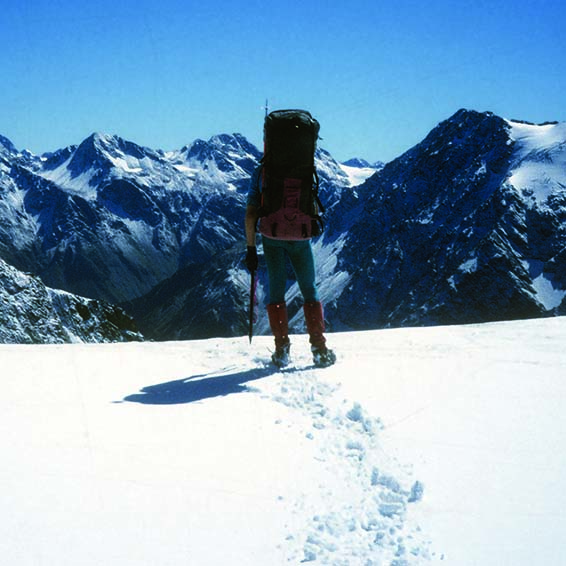
Wilderness or Wildness? On the difference between a place you go and a thing you do.
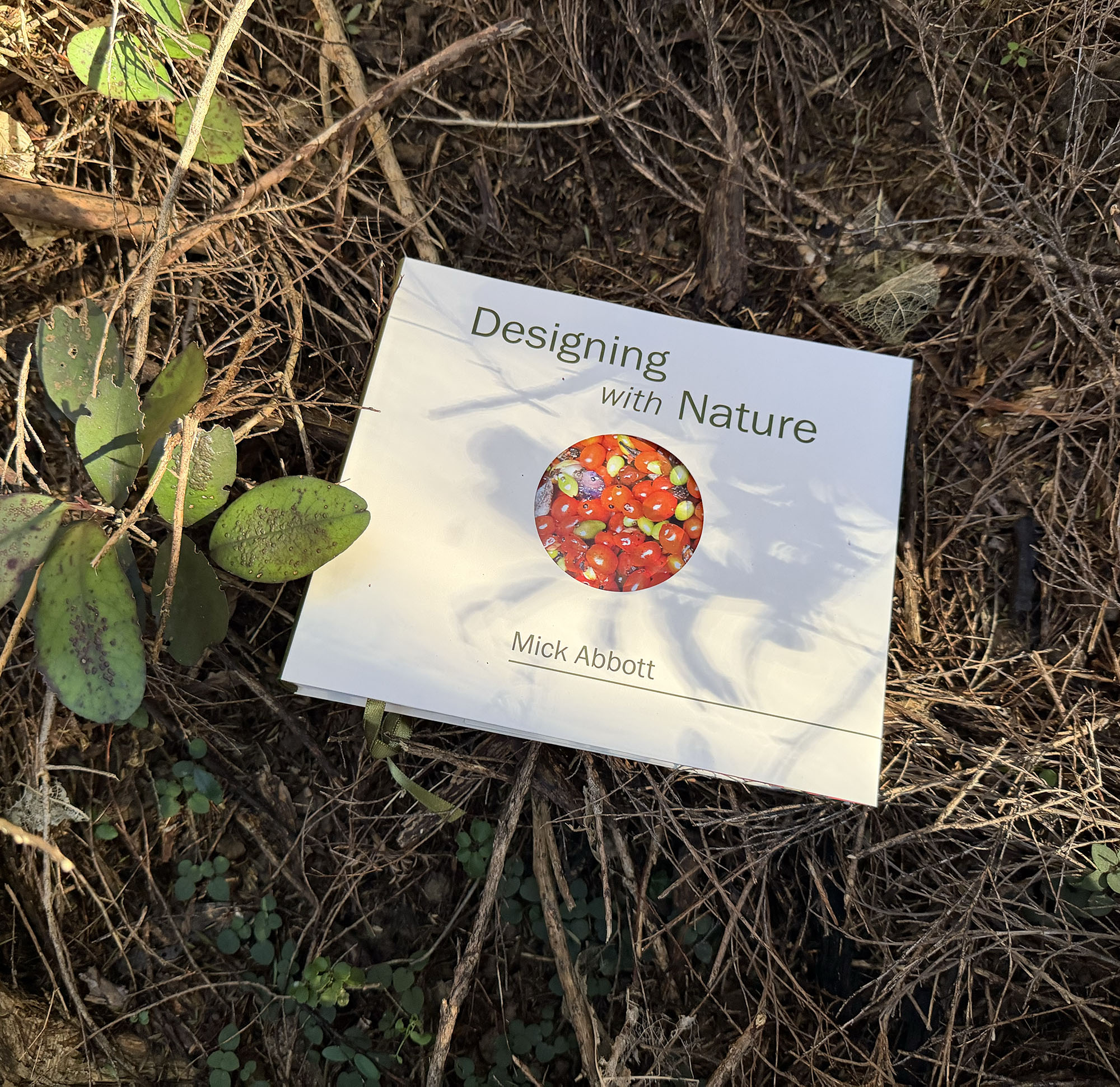
To begin with, exploring nature and designing ran on separate tracks. Until I was 29, the hills were pretty much all I did. A decade of haphazard study got me an architecture degree, while driving cabs, pumping gas, washing dishes and working in orchards funded my outdoors trips. Design came later, and separately. This book is about the years when the two finally met — and what I've been trying to work out ever since.
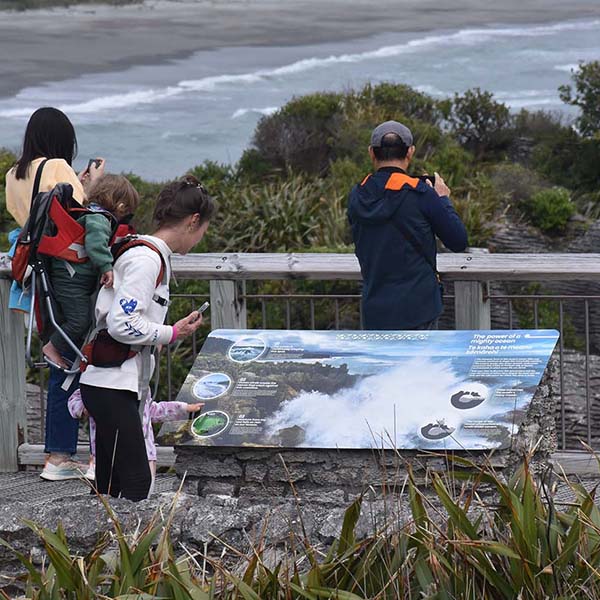
WildLab Field Guide to Designing Great Storytelling Panels
For over a decade we’ve been designing storytelling panels that connect people with nature. This guide shares the principles behind our work—how good design and strong stories can inspire, build connection, and help communities bring the values of Te Taiao to life.
This article reimagines landscape not as a static scene to be observed or preserved, but as an active, lived relationship between people and place. Drawing on personal experiences, design research, and fieldwork,a case for more participatory approaches to conservation is made—ones that foster mutual shaping between people and landscape, and enable deeper belonging through embodied practice.
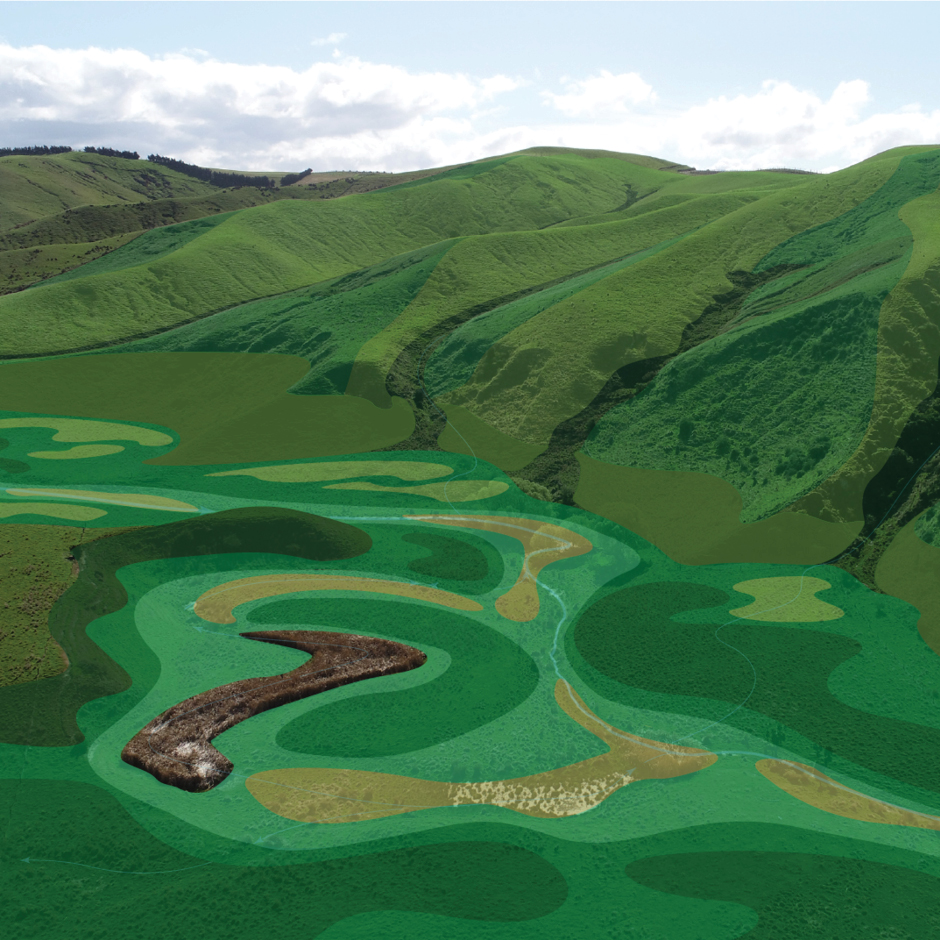
Wildness: planting new natures in Aotearoa, New Zealand
This article rethinks wildness—not as something untouched or lost, but as something new, messy, and shaped by us. It’s useful because it gives designers ways to work with real, changing landscapes instead of trying to recreate the past. It encourages using what’s already there—native and exotic plants, people and animals—and trying out creative, practical ideas. Rather than aiming to fix nature, the article asks how we might live better with it. The article shows ways design can help grow new relationships between people and place, offering fresh ways to care for land, support life, and imagine more hopeful futures.
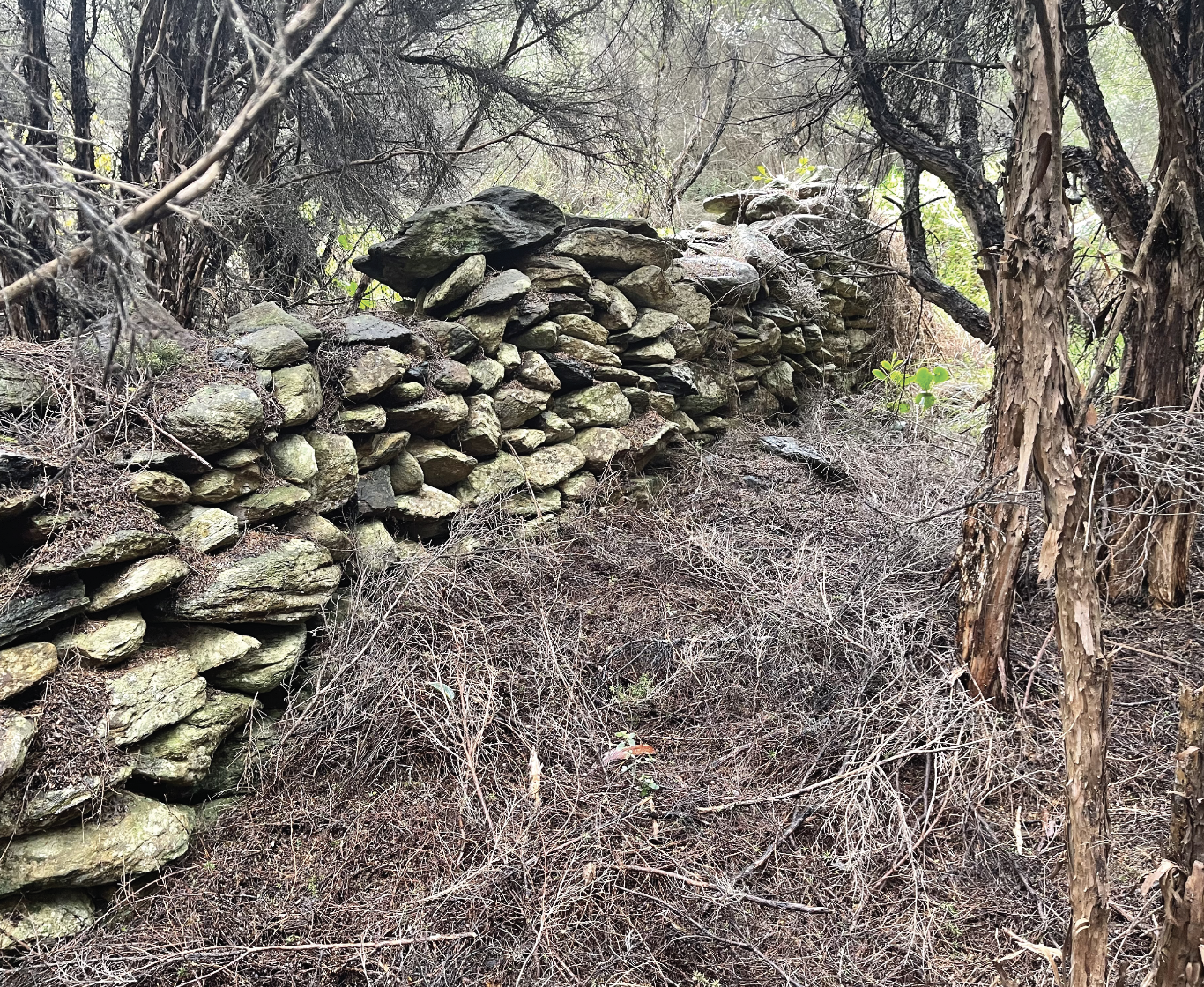
How do landscapes and people shape each other? From stone walls built after forests were cleared, to regenerating bush reclaiming old farmland, it reveals how places are formed through work, memory, and material. Rather than viewing nature and architecture as separate, it shows them as deeply entwined—built from shared histories, changing relationships, and ongoing conversations.